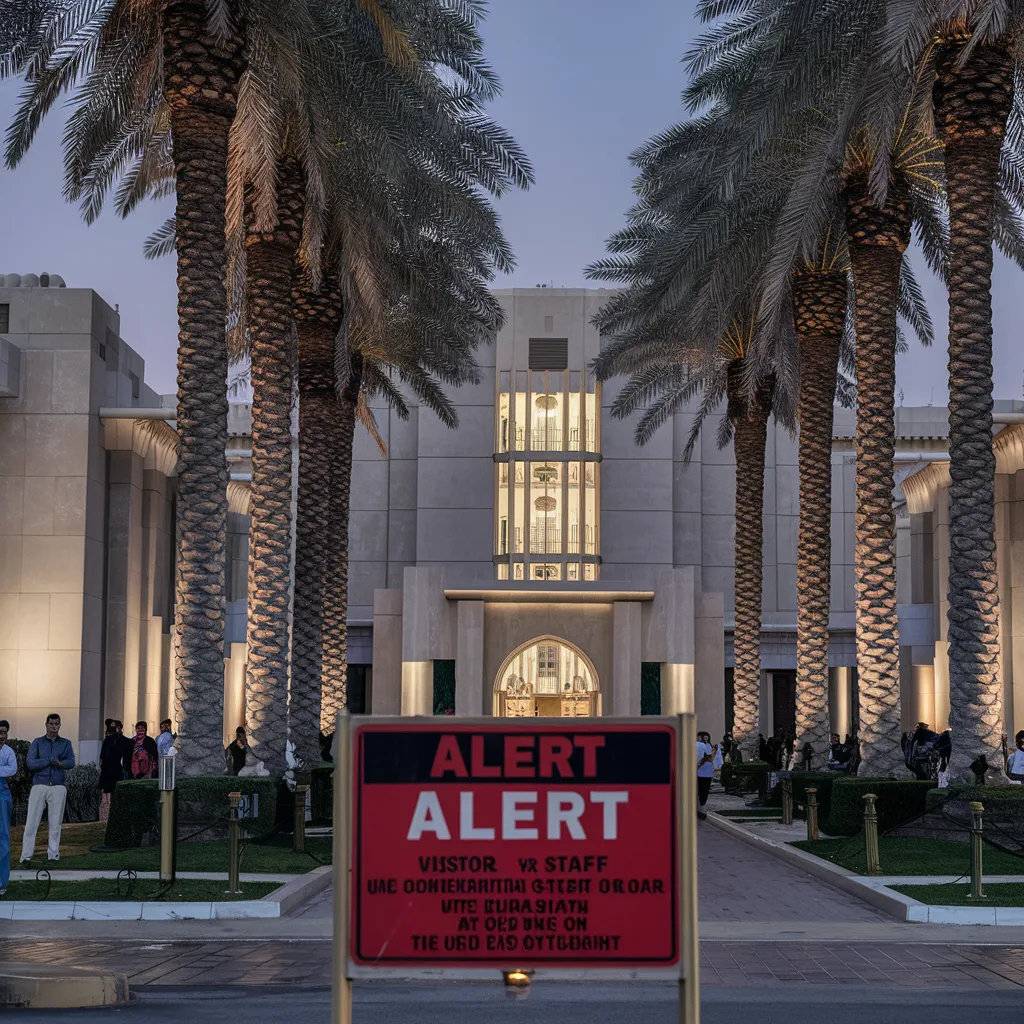
US Embassy Qatar Alert 2026 – Latest Security Warnings and What They Mean
In 2026, the U.S. Embassy Doha has issued multiple security alerts for U.S. citizens in Qatar due to heightened regional tensions in the Middle East. These alerts have gained global attention because they involve changes in consular operations, travel advisories, and safety instructions for Americans living in or visiting the country.
This article explains the key details of the U.S. Embassy Qatar alerts in 2026, why they were issued, and what they mean for residents, travelers, and businesses.
🌐 Background: Why the Alerts Were Issued
The security alerts are linked to rising instability in the Gulf region during 2026. Following regional military tensions and missile exchanges in the broader Middle East, Qatar became a sensitive location due to its strategic importance.
Qatar hosts Al Udeid Air Base, one of the largest U.S. military installations in the region, making it a potential point of concern during conflicts.
As a result, the embassy has repeatedly warned U.S. citizens to exercise caution and follow safety instructions.
🚨 Key U.S. Embassy Alerts in 2026
Throughout early 2026, the U.S. Embassy in Doha released several important security updates.
🔴 1. Shelter-in-Place Advisory
One of the most serious alerts instructed U.S. citizens and embassy staff to:
- Stay indoors
- Avoid unnecessary travel
- Follow local safety instructions
This type of advisory is typically issued during elevated security threats or when potential attacks cannot be ruled out.
🔴 2. Suspension of Routine Services
The embassy temporarily suspended normal consular services, meaning:
- No routine visa processing
- Limited in-person appointments
- Restricted public access to embassy buildings
This significantly affects Americans in Qatar who rely on embassy services for documentation and support.
🔴 3. Travel Warnings and Risk Alerts
The U.S. State Department issued a Level 3 travel advisory (“Reconsider Travel”) for Qatar in 2026 due to regional instability.
Key points included:
- Increased risk of armed conflict in the region
- Recommendation for non-essential government personnel to leave
- Advice for civilians to prepare emergency exit plans
🧭 What the Alerts Mean for U.S. Citizens in Qatar
The embassy warnings are not evacuation orders for all citizens, but they strongly emphasize preparedness and caution.
🇺🇸 For residents:
- Stay informed through embassy updates
- Avoid large gatherings or sensitive locations
- Maintain emergency contact plans
✈️ For travelers:
- Reconsider non-essential travel
- Expect possible flight disruptions
- Check airline and embassy updates frequently
🏢 For businesses:
- Implement remote work policies if needed
- Ensure employee safety protocols
- Monitor regional developments closely
⚠️ Why Qatar Is Considered Sensitive
Several factors contribute to the heightened alerts:
🛡️ Strategic Military Presence
Qatar hosts U.S. and allied military forces, making it a key location in regional defense strategy.
🌍 Regional Conflict Spillover
Tensions between regional powers have led to missile activity and airspace disruptions in the Gulf.
✈️ Airspace and Transport Risks
At times in 2026, Qatar experienced partial airspace closures and flight disruptions due to security concerns.
🧠 How the Embassy Communicates Alerts
The U.S. Department of State uses multiple channels to issue warnings:
- Email alerts to registered citizens
- Official embassy website updates
- Social media announcements
- STEP (Smart Traveler Enrollment Program) notifications
Citizens are strongly encouraged to enroll in STEP to receive real-time updates.
📊 Level 3 Travel Advisory Explained
A Level 3 advisory means:
“Reconsider travel due to serious risks to safety.”
It does NOT mean travel is banned, but it signals:
- Elevated security threats
- Limited embassy assistance in emergencies
- Higher personal responsibility for safety decisions
🛡️ Safety Advice from the Embassy
The embassy consistently advises U.S. citizens in Qatar to:
- Keep emergency supplies ready
- Monitor local news and embassy alerts
- Avoid conflict-sensitive areas (such as military zones)
- Have a departure plan that does not rely on government evacuation
In some alerts, citizens were specifically told that embassy assistance for evacuation may be limited or unavailable during crises.
🌍 Impact on Daily Life in Qatar
While Qatar remains operational, the alerts have influenced daily life for expatriates:
✈️ Travel disruptions
- Flight delays and route changes
- Temporary airspace restrictions during peak tensions
🏫 Education and institutions
- International schools and universities issued safety instructions
- Some organizations briefly shifted to remote operations
🏢 Workplace adjustments
- Companies increased remote working options
- Security protocols were strengthened
🧾 What Makes These Alerts Important
These embassy warnings are significant because they:
- Reflect real-time geopolitical risks
- Influence travel decisions worldwide
- Affect millions of expatriates in the Gulf region
- Signal potential escalation or instability
They are not routine notices—they are part of emergency-level communication systems.
✨ Conclusion
The U.S. Embassy Doha alerts in 2026 highlight a period of heightened caution due to regional tensions in the Middle East. With shelter-in-place advisories, suspended consular services, and travel warnings, the situation underscores the importance of preparedness for U.S. citizens in Qatar.