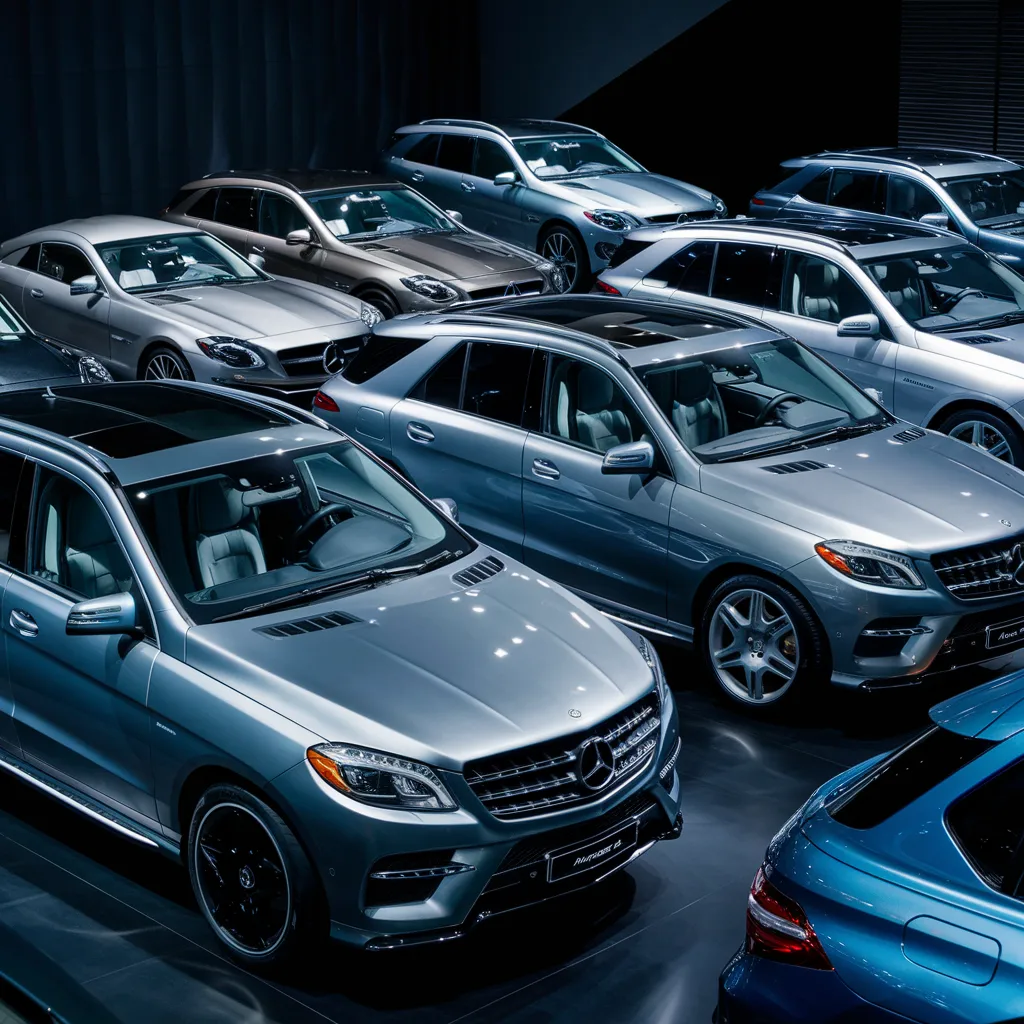
Mercedes ML Cars – The Evolution of a Luxury SUV Icon
The Mercedes-Benz M-Class, commonly referred to as the Mercedes ML, is one of the most influential vehicles in the luxury SUV segment. Introduced in the late 1990s, it played a key role in shaping the modern premium SUV market by combining off-road capability with comfort, technology, and prestige.
Over time, the ML evolved through multiple generations before being rebranded as the Mercedes-Benz GLE, continuing its legacy under a new name. This article explores the history, design, performance, and lasting impact of Mercedes ML cars.
🚗 The Birth of the Mercedes ML
The Mercedes ML was first introduced in 1997 as the Mercedes-Benz W163. At a time when SUVs were mostly rugged and utilitarian, Mercedes-Benz aimed to create something different—a vehicle that could handle off-road conditions while delivering the comfort and refinement expected from a luxury brand.
The ML quickly gained attention for:
- Its elevated driving position
- Smooth ride quality
- Advanced safety features
- Premium interior
It also gained global recognition after appearing in the film The Lost World: Jurassic Park, boosting its popularity even further.
🌍 A New Segment Leader
The ML helped define what is now known as the luxury midsize SUV segment. It competed with vehicles like:
- BMW X5
- Lexus RX
- Audi Q7
Unlike traditional off-road SUVs, the ML focused on balancing performance, comfort, and everyday usability. This approach appealed to a wide range of buyers, from families to professionals.
🔄 Generations of Mercedes ML
🔹 First Generation (W163: 1997–2005)
The original ML established the foundation of the model line.
Key features:
- Body-on-frame construction
- Basic luxury features for its time
- Strong off-road capability
While innovative, it faced criticism for interior quality compared to later models.
🔹 Second Generation (W164: 2005–2011)
The Mercedes-Benz W164 marked a major improvement.
Upgrades included:
- Unibody construction for better ride comfort
- Improved interior materials
- Advanced safety systems
- More powerful engine options
This generation solidified the ML’s reputation as a true luxury SUV.
🔹 Third Generation (W166: 2011–2015)
The Mercedes-Benz W166 brought modern styling and technology.
Highlights:
- Sleeker, more aerodynamic design
- Advanced infotainment systems
- Improved fuel efficiency
- Enhanced driving dynamics
This generation focused heavily on comfort and technology.
🔁 Transition to the GLE
In 2015, Mercedes-Benz restructured its naming system, and the ML became the Mercedes-Benz GLE.
The new name aligned with the brand’s sedan lineup:
- “GL” indicates an SUV
- “E” links it to the E-Class range
Despite the name change, the GLE continues the ML’s legacy with updated design and technology.
⚙️ Performance and Engine Options
Mercedes ML vehicles have always offered a range of engine options to suit different driving needs.
Common engine types:
- V6 petrol engines
- V8 petrol engines for high performance
- Diesel engines for efficiency and torque
Performance characteristics:
- Smooth and powerful acceleration
- Strong towing capability
- Stable handling on highways
- Competent off-road performance
Higher-performance models, such as AMG versions, deliver sports-car-like power in an SUV body.
🛻 Off-Road Capability
Although designed for comfort, the ML retained genuine off-road ability.
Off-road features included:
- 4MATIC all-wheel-drive system
- Adjustable air suspension (on some models)
- Hill descent control
- Off-road driving modes
These features allowed the ML to handle rough terrain while maintaining luxury-level comfort.
🛋️ Interior and Comfort
One of the defining aspects of Mercedes ML cars is their interior quality.
Interior highlights:
- Premium materials such as leather and wood trim
- Spacious seating for five passengers
- Advanced climate control systems
- Quiet and refined cabin
The focus on comfort made the ML ideal for long-distance travel.
🧠 Technology and Innovation
Over the years, the ML introduced numerous technological advancements.
Key features:
- COMAND infotainment system
- Navigation and multimedia integration
- Driver assistance systems
- Adaptive cruise control
- Parking assist technologies
These innovations helped set new standards in the luxury SUV segment.
🛡️ Safety Features
Safety has always been a priority for Mercedes-Benz, and the ML reflects this commitment.
Safety technologies:
- Multiple airbags
- Electronic stability control
- Anti-lock braking system (ABS)
- Collision prevention systems
- Lane-keeping assistance
The ML consistently performed well in safety tests, reinforcing its reputation as a family-friendly vehicle.
📈 Market Impact and Popularity
The Mercedes ML played a crucial role in popularizing luxury SUVs worldwide. It appealed to:
- Families seeking space and safety
- Professionals wanting comfort and status
- Adventurers needing versatility
Its success encouraged other manufacturers to expand their SUV offerings.
⚖️ Pros and Cons
✔️ Advantages:
- Strong brand reputation
- Comfortable and spacious interior
- Versatile performance
- Advanced technology
❌ Disadvantages:
- Higher maintenance costs
- Fuel consumption in larger engines
- Early models had build quality concerns
Understanding these factors helps buyers make informed decisions.
🌱 The Legacy of the ML
Even though the ML name is no longer in use, its influence continues through the Mercedes-Benz GLE. The principles established by the ML—luxury, versatility, and innovation—remain central to modern Mercedes SUVs.
✨ Conclusion
The Mercedes-Benz M-Class (Mercedes ML) is a landmark in automotive history. It helped redefine what an SUV could be by combining rugged capability with luxury and advanced technology.