Medium Rare Steak: The Ultimate Guide to Cooking Juicy, Tender Perfection
Cooking the perfect steak is one of the most valued skills in the culinary world, and among all levels of doneness, the medium rare steak stands out as the most popular choice for chefs and food lovers alike. Known for its juicy interior, tender texture, and rich beef flavor, medium rare steak strikes the ideal balance between raw and fully cooked meat. Many professional chefs consider it the best way to enjoy high-quality beef because it preserves natural juices while delivering a warm, soft center that melts in the mouth.
Understanding how to achieve the perfect medium rare steak requires knowledge of temperature control, cooking techniques, meat selection, and resting time. Whether you are cooking at home or trying to replicate restaurant-quality results, mastering this doneness level can completely transform your steak experience. This guide explains everything from preparation to cooking methods, helping you achieve consistent, delicious results every time.
What Is a Medium Rare Steak?
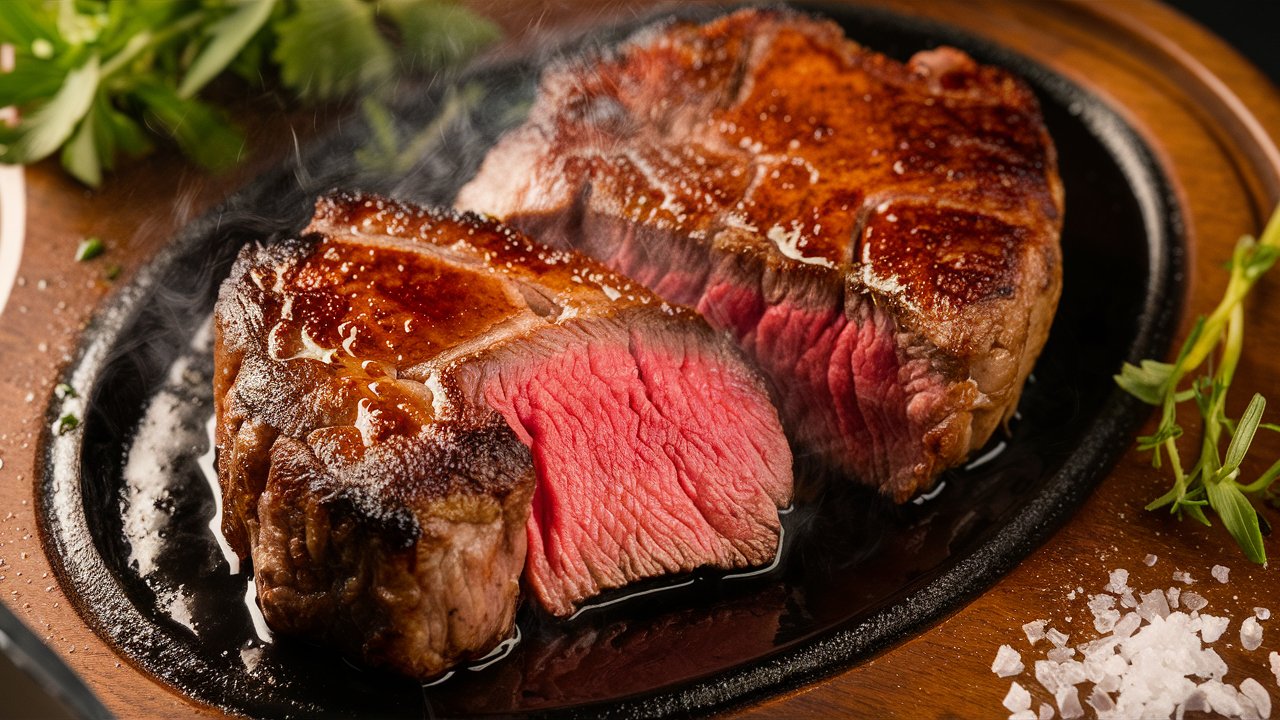
A medium rare steak refers to beef that is cooked so the internal temperature reaches approximately 130–135°F (54–57°C). At this point, the outside of the steak is properly seared, forming a flavorful crust, while the inside remains warm, red, and tender. This level of doneness allows the natural fats and juices within the meat to remain intact, creating a rich and buttery flavor profile.
Unlike more heavily cooked steaks, medium rare retains moisture and softness, making it ideal for premium cuts such as ribeye, sirloin, filet mignon, and New York strip. When cooked correctly, the steak should feel slightly firm on the outside but still soft and springy in the center when touched.
Why Medium Rare Steak Is So Popular
The popularity of medium rare steak is no accident. It is widely preferred because it preserves the natural taste and texture of beef better than any other doneness level. When beef is cooked beyond medium rare, moisture begins to escape, resulting in a drier and tougher texture. On the other hand, undercooked steak may not fully develop its flavor.
Medium rare offers the perfect balance between flavor development and moisture retention. The slight sear on the outside enhances the taste through caramelization, while the inside remains tender and juicy. This combination is why most high-end steakhouses serve steak at medium rare unless otherwise requested.
Another reason for its popularity is consistency. Once you understand the temperature range and cooking timing, it becomes easier to replicate perfect results compared to other doneness levels, which can vary more widely.
Choosing the Right Cut of Steak
Not all cuts of beef are equally suited for medium rare cooking. High-quality cuts with good marbling (fat distribution) tend to produce the best results. Ribeye is one of the most popular choices because its fat content melts during cooking, enhancing flavor and juiciness. Filet mignon is another excellent option, known for its tenderness and soft texture.
Sirloin and New York strip also work well, offering a balance between flavor and firmness. When selecting steak, thickness matters significantly. A thicker cut allows better control during cooking, reducing the risk of overcooking the inside while achieving a proper sear on the outside.
Freshness and quality also play an important role. Grass-fed or grain-fed beef can slightly affect flavor and texture, but both can produce excellent medium rare results when cooked properly.
How to Cook the Perfect Medium Rare Steak
Achieving the perfect medium rare steak requires precision and attention to detail. The most common methods include pan-searing, grilling, and oven finishing.
Before cooking, the steak should be brought to room temperature and seasoned generously with salt and pepper. This helps enhance natural flavor and ensures even cooking. A hot cooking surface is essential because it allows proper searing, which locks in juices and creates a flavorful crust.
During cooking, each side of the steak should be seared until a brown crust forms. The internal temperature should be monitored carefully using a meat thermometer for accuracy. Once it reaches the medium rare range, the steak should be removed from heat immediately.
One of the most important steps is resting the steak after cooking. Allowing it to rest for several minutes ensures that the juices redistribute evenly throughout the meat, preventing them from spilling out when cut.
Understanding Steak Doneness Levels
Steak doneness is categorized into several levels, including rare, medium rare, medium, medium well, and well done. Each level represents a different internal temperature and texture.
Medium rare is considered the ideal balance because it maintains both tenderness and flavor without being overly raw or overly cooked. Rare steak is cooler and softer but may lack full flavor development. Medium steak is firmer and less juicy, while well-done steak is fully cooked but often dry and tough.
Understanding these differences helps cooks choose the best level based on personal preference, but medium rare remains the top recommendation for most beef cuts.
Tips for Perfect Results Every Time
Consistency is key when cooking steak. One of the most important tips is to always use a thermometer instead of guessing doneness. This ensures accuracy and prevents overcooking.
Another important tip is to avoid flipping the steak too often. Allowing each side to sear properly improves texture and flavor. Additionally, using a cast-iron pan or grill at high heat can significantly improve results due to even heat distribution.
Resting time should never be skipped, as it plays a crucial role in maintaining juiciness. Even a perfectly cooked steak can lose its quality if cut too early.
Health and Nutrition Benefits of Steak
Steak is a rich source of protein, iron, zinc, and essential vitamins. When consumed in moderation, it can be part of a balanced diet. Medium rare preparation helps preserve more nutrients compared to overcooked steak, as excessive heat can break down certain proteins and reduce moisture content.
Choosing lean cuts and controlling portion sizes can also support a healthier dietary approach while still enjoying the benefits of red meat.
Conclusion
Medium rare steak remains the gold standard for steak lovers around the world because it delivers the perfect combination of flavor, tenderness, and juiciness. By understanding temperature control, selecting the right cut, and following proper cooking techniques, anyone can achieve restaurant-quality results at home.
Whether you are a beginner or an experienced cook, mastering medium rare steak will significantly improve your culinary skills and elevate your dining experience. With practice and attention to detail, this cooking style becomes not only achievable but consistently rewarding.
Frequently Asked Questions (FAQ)
What temperature is medium rare steak?
Medium rare steak is cooked to an internal temperature of 130–135°F (54–57°C).
Is medium rare steak safe to eat?
Yes, when cooked properly using high-quality beef and correct handling, it is safe for most people.
Why do chefs prefer medium rare steak?
Because it preserves natural juices, flavor, and tenderness better than other doneness levels.
What is the best cut for medium rare steak?
Ribeye, filet mignon, sirloin, and New York strip are excellent choices.
How long should steak rest after cooking?
Typically 5–10 minutes to allow juices to redistribute evenly.
Can I cook medium rare steak without a thermometer?
Yes, but a thermometer is recommended for accuracy and consistent results.