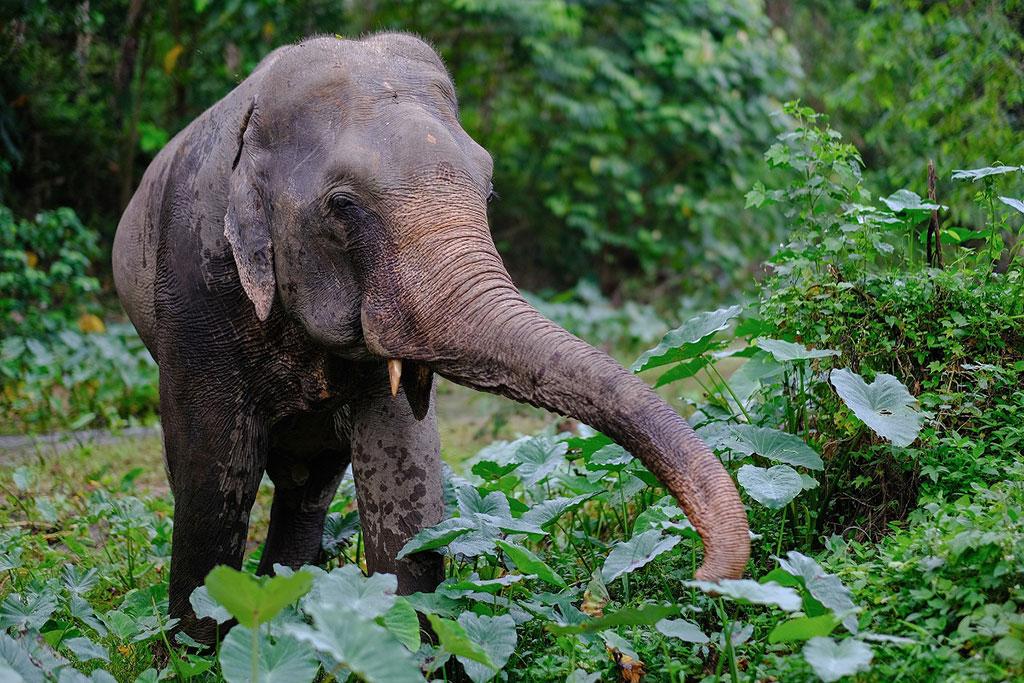
Elephant: Habitat, Behavior, Intelligence, and Fascinating Facts About the World’s Largest Land Animal
Elephants are among the most majestic and intelligent creatures on Earth, widely admired for their enormous size, emotional depth, and complex social structures. As the largest land animals in existence, elephants have fascinated humans for centuries, appearing in cultural stories, religious symbolism, and scientific studies across the world. They belong to the family Elephantidae and are primarily divided into two main species: the African elephant and the Asian elephant. Both species share many similarities but also possess distinct physical and behavioral differences that make each uniquely adapted to its environment.
In modern times, elephants are not only studied for their biological importance but also protected due to declining populations caused by habitat loss, poaching, and human-wildlife conflict. Understanding elephants is essential not only for wildlife enthusiasts but also for global conservation efforts aimed at preserving biodiversity. This article explores elephant habitat, diet, intelligence, behavior, social structure, and the challenges they face in the wild.
Elephant Species and Classification
Elephants are classified into two major species: the African elephant and the Asian elephant. The African elephant is generally larger, with bigger ears shaped somewhat like the African continent, while the Asian elephant is slightly smaller with rounded ears and a more domed head. Within African elephants, there are further classifications such as the savanna elephant and the forest elephant, each adapted to different ecosystems.
African elephants are commonly found in sub-Saharan Africa, inhabiting savannas, grasslands, and forests. Asian elephants, on the other hand, are found in countries such as India, Sri Lanka, Thailand, and parts of Southeast Asia, where they live in forested regions and grasslands. Despite differences in habitat, both species play a crucial role in maintaining ecological balance.
Elephant Habitat and Environment
Elephants thrive in diverse habitats, but they require large territories to survive due to their massive size and dietary needs. They are typically found in forests, grasslands, wetlands, and savannas where food and water sources are abundant. A single elephant can consume hundreds of pounds of vegetation daily, which means their survival depends heavily on healthy ecosystems.
Their movement across large distances also helps shape the environment. Elephants are often referred to as “ecosystem engineers” because they create pathways through dense forests, dig water holes in dry riverbeds, and disperse seeds through their dung. These activities help maintain biodiversity and support other species in the ecosystem.
Elephant Diet and Feeding Behavior
Elephants are herbivores, meaning they feed entirely on plant-based food. Their diet includes grass, leaves, bark, fruits, roots, and branches. Due to their large size, elephants must eat for up to 16 hours a day to meet their energy requirements. Adult elephants can consume between 150 to 300 kilograms of food daily.
Their trunk plays a crucial role in feeding. The trunk is a highly versatile organ used for grabbing food, drinking water, and even communicating. It contains thousands of muscles and is sensitive enough to pick up small objects while strong enough to uproot trees.
Water is equally important in an elephant’s diet. They can drink large quantities of water at once and often travel long distances to find reliable water sources, especially in dry seasons.
Intelligence and Emotional Depth
One of the most remarkable characteristics of elephants is their intelligence. They are considered among the smartest animals on the planet, displaying advanced cognitive abilities such as memory, problem-solving, and emotional awareness. Elephants are known to recognize themselves in mirrors, a trait shared by only a few animal species, indicating a high level of self-awareness.
They also display complex emotions, including joy, grief, empathy, and compassion. Elephants have been observed mourning their dead, sometimes returning to the bones of deceased family members and gently touching them with their trunks. This behavior suggests strong emotional bonds within elephant herds.
Their memory is legendary, often summarized by the phrase “elephants never forget.” This strong memory helps them remember migration routes, water sources, and social relationships over many years.
Social Structure and Communication
Elephants live in highly organized social groups known as herds. These herds are usually led by a matriarch, an older and experienced female who guides the group. The matriarch plays a vital role in decision-making, especially during migration and when searching for food or water.
Elephant communication is complex and involves vocal sounds, body language, and even low-frequency infrasound that can travel long distances. These infrasonic calls allow elephants to communicate across several kilometers, helping them stay connected even when separated.
Social bonds within elephant herds are extremely strong. Family members often stay together for life, supporting each other during times of danger, childbirth, and migration.
Reproduction and Life Cycle
Elephants have one of the longest gestation periods in the animal kingdom, lasting about 22 months. This long pregnancy results in the birth of a single calf, although twins are rare. Elephant calves are highly dependent on their mothers and other herd members for protection and nourishment.
As they grow, young elephants learn essential survival skills by observing adults. This learning process is critical for their long-term survival in the wild. Elephants can live up to 60–70 years, making them one of the longest-living land animals.
Threats and Conservation Challenges
Despite their strength and intelligence, elephants face serious threats in the wild. Habitat loss due to deforestation and human expansion is one of the biggest challenges. As human populations grow, elephants are forced into smaller territories, leading to conflicts between humans and wildlife.
Poaching for ivory is another major threat, particularly for African elephants. Although international laws exist to protect elephants, illegal hunting continues in some regions. Climate change also affects their habitats by altering water availability and vegetation patterns.
Conservation efforts are being carried out worldwide to protect elephant populations. These include wildlife reserves, anti-poaching laws, habitat restoration projects, and international conservation programs. Public awareness and responsible tourism also play important roles in elephant protection.
Importance of Elephants in Ecosystems
Elephants are essential for maintaining healthy ecosystems. By feeding on trees and plants, they help control vegetation growth. Their movement spreads seeds across large distances, promoting forest regeneration. Without elephants, many ecosystems would become unbalanced, affecting numerous other species.
They also create water access points that benefit other animals during dry seasons. This makes them a keystone species, meaning their presence is critical for the survival of many other organisms.
Conclusion
Elephants are extraordinary creatures that represent intelligence, emotional depth, and ecological importance. From their complex social structures to their essential role in shaping ecosystems, elephants are far more than just the largest land animals on Earth. They are vital contributors to biodiversity and natural balance.
However, their survival is increasingly threatened by human activity, making conservation efforts more important than ever. Understanding elephants and appreciating their role in nature is the first step toward protecting them for future generations. Their legacy is not only biological but also cultural and emotional, reminding us of the deep connection between humans and wildlife.
Frequently Asked Questions (FAQ)
What is an elephant?
An elephant is the largest land animal belonging to the family Elephantidae, found mainly in Africa and Asia.
What do elephants eat?
Elephants are herbivores and eat grass, leaves, bark, fruits, and roots.
How intelligent are elephants?
Elephants are highly intelligent, capable of memory, problem-solving, empathy, and self-awareness.
Where do elephants live?
They live in forests, savannas, grasslands, and wetlands across Africa and Asia.
Why are elephants important to the environment?
They help maintain ecosystems by spreading seeds, shaping landscapes, and supporting biodiversity.
What are the main threats to elephants?
Habitat loss, poaching for ivory, and climate change are the biggest threats.
How long do elephants live?
Elephants can live between 60 and 70 years in the wild.