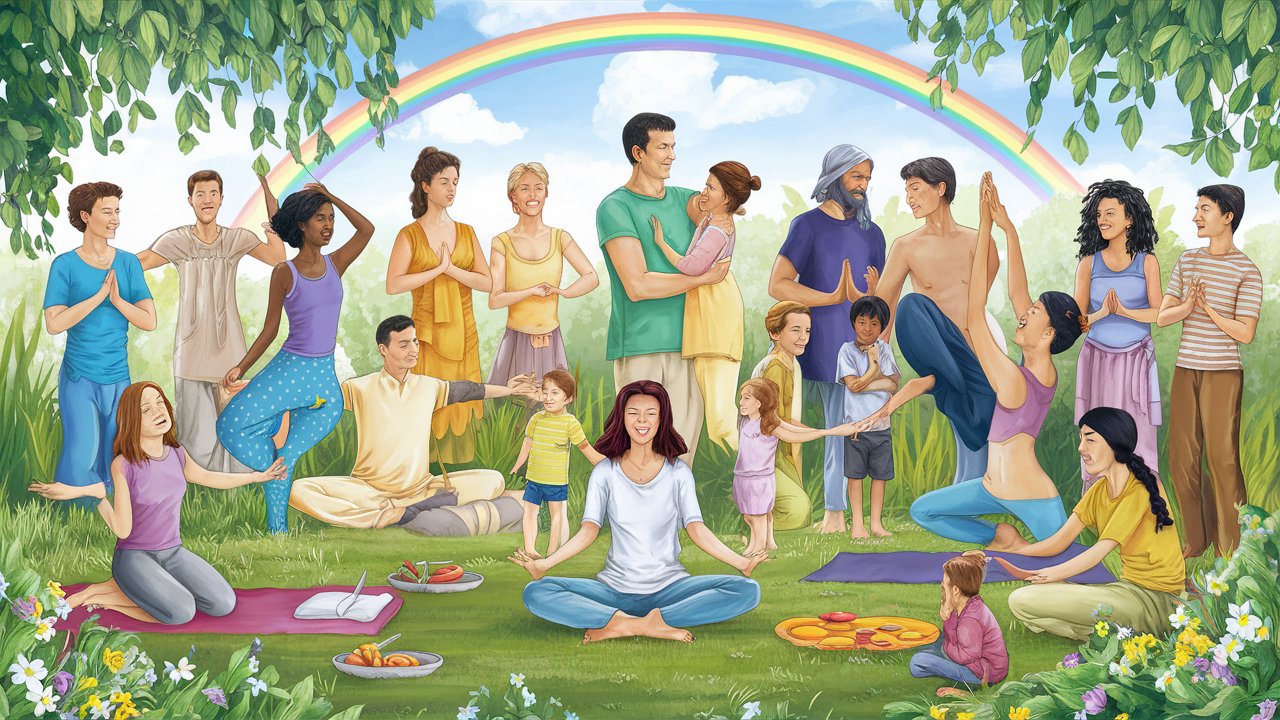
Holisticke Explained: Complete Guide to Holistic Living and Wellness
Many people today are searching for better ways to improve their overall wellbeing, manage daily challenges, and create a healthier balance between their physical and emotional needs. The term holisticke represents a way of thinking that focuses on the complete picture rather than looking at only one part of life. A holistic approach considers the connection between the body, mind, emotions, lifestyle, and environment. This guide explains the meaning of holisticke, its principles, benefits, practical uses, and how it can support a more balanced lifestyle.
What Does Holisticke Mean?
Holisticke refers to a holistic way of viewing health, wellbeing, and life by considering all connected aspects together.
The idea behind holisticke is that different areas of life influence each other. Physical health, emotional wellbeing, mental clarity, relationships, environment, and daily habits can all affect overall quality of life.
Instead of focusing only on one problem, a holistic approach looks at the complete situation.
For example, someone experiencing low energy may not only examine physical factors but also consider:
- Sleep habits
- Stress levels
- Nutrition
- Daily routine
- Emotional wellbeing
This broader perspective helps people understand how different parts of life work together.
What Is the Holisticke Approach?
The holisticke approach focuses on improving overall balance by considering the whole person.
Traditional approaches may sometimes focus on treating one specific issue. A holistic approach expands the view by asking deeper questions about lifestyle and personal needs.
The main areas often considered include:
| Area | Focus |
|---|---|
| Physical health | Body care and healthy habits |
| Mental wellbeing | Thoughts and emotional balance |
| Lifestyle | Daily routines and choices |
| Environment | Surroundings and living conditions |
| Relationships | Social connection and support |
This approach encourages people to understand the relationship between different aspects of life.
Why Is Holisticke Important for Modern Wellness?
Modern lifestyles often include stress, busy schedules, and limited time for self-care. Many people look for methods that support long-term wellbeing rather than quick solutions.
The holisticke perspective encourages:
- Better awareness of personal needs
- Healthier daily decisions
- Improved balance
- Stronger connection between mind and body
A balanced lifestyle can help people feel more prepared to manage everyday challenges.
Principles of Holisticke Living
A holisticke lifestyle is built around several important principles.
1. Mind and Body Connection
Physical and mental health influence each other. Stress can affect the body, while physical habits can influence emotions and thinking.
2. Prevention and Awareness
Holistic living focuses on creating healthy habits before problems appear.
Examples include:
- Regular movement
- Balanced nutrition
- Proper rest
- Stress management
3. Personal Balance
Everyone has different needs. A holistic approach recognizes that wellness is personal and requires individual choices.
What Are the Benefits of a Holisticke Lifestyle?
A holisticke lifestyle may provide many benefits when combined with healthy habits and professional guidance when needed.
Improved Self-Awareness
Holistic practices encourage people to understand their habits, emotions, and personal needs.
Better Daily Balance
Creating balance between work, rest, relationships, and personal care can improve quality of life.
Healthy Lifestyle Choices
A holistic mindset often encourages:
- Nutritious eating
- Regular physical activity
- Quality sleep
- Positive routines
Emotional Wellbeing
Managing stress and understanding emotions are important parts of overall wellness.
How Does Holisticke Support Mind and Body Balance?
The connection between mind and body is a major part of holistic thinking.
Mental stress can influence physical experiences, while physical habits can affect mood and energy.
Ways people support mind-body balance include:
- Meditation
- Breathing exercises
- Physical activity
- Relaxation techniques
- Time in nature
These practices encourage awareness and healthier responses to daily situations.
Holisticke Nutrition and Healthy Eating
Nutrition plays an important role in holistic wellness.
A holisticke nutrition approach focuses on:
- Balanced meals
- Quality ingredients
- Understanding personal needs
- Healthy eating patterns
Rather than focusing only on restrictions, it encourages people to build positive relationships with food.
Important areas include:
- Fruits and vegetables
- Protein sources
- Whole foods
- Adequate hydration
How Can You Start a Holisticke Lifestyle?
Starting a holistic lifestyle does not require major changes overnight. Small improvements can create meaningful results.
Practical steps include:
Create Healthy Routines
Build habits around:
- Sleep
- Movement
- Nutrition
- Relaxation
Practice Mindfulness
Mindfulness helps people stay aware of thoughts, feelings, and actions.
Improve Your Environment
A supportive environment can influence wellbeing.
Consider:
- Organizing your space
- Spending time outdoors
- Creating peaceful routines
Common Holisticke Practices
Many people include different practices as part of their holistic lifestyle.
Examples include:
- Yoga
- Meditation
- Journaling
- Nature activities
- Healthy cooking
- Personal reflection
These practices are often used to support relaxation, awareness, and balance.
Difference Between Holistic and Traditional Approaches
Holistic and traditional approaches can work together depending on individual needs.
| Holistic Approach | Traditional Approach |
|---|---|
| Looks at the whole person | Often focuses on specific conditions |
| Considers lifestyle factors | Uses specialized treatments |
| Emphasizes prevention | Focuses on diagnosis and treatment |
| Includes emotional wellbeing | Often focuses on physical symptoms |
A balanced approach may combine different methods depending on personal circumstances.
How Does Holisticke Relate to Personal Growth?
Holistic living is not only about physical health. It also involves personal development and understanding yourself better.
Personal growth areas include:
- Building confidence
- Developing healthy habits
- Improving relationships
- Creating meaningful goals
By understanding different parts of life, people can make choices that match their values.
Challenges of Following a Holisticke Lifestyle
Although holistic living offers many positive ideas, some challenges may appear.
Common challenges include:
- Finding time for self-care
- Creating consistent habits
- Understanding reliable information
- Balancing different wellness practices
The key is making realistic changes that fit personal needs.
Frequently Asked Questions About Holisticke
What does holisticke mean?
Answer:
Holisticke refers to a holistic way of viewing wellbeing by considering physical, mental, emotional, and lifestyle factors together.
What is a holisticke approach?
Answer:
A holisticke approach focuses on improving overall balance by looking at the complete person rather than only one specific issue.
What are the benefits of holisticke living?
Answer:
Benefits may include better self-awareness, healthier habits, improved balance, and stronger connection between mind and body.
Is holisticke the same as holistic health?
Answer:
Holisticke relates to the broader idea of holistic thinking, while holistic health specifically focuses on wellbeing and healthcare practices.
How can beginners start a holisticke lifestyle?
Answer:
Beginners can start with small changes such as improving sleep, eating balanced meals, practicing mindfulness, and creating healthier routines.
Does holisticke replace medical care?
Answer:
No. Holistic practices can support wellbeing, but professional medical advice remains important for health concerns.
Conclusion
The concept of holisticke encourages people to look at life as a connected system where physical health, emotions, thoughts, habits, and environment influence each other. A holistic lifestyle focuses on awareness, balance, and healthier choices that support overall wellbeing.
Creating a more balanced life does not require perfection. Small improvements in daily routines, self-care, and personal awareness can help build lasting positive changes. By understanding the principles of holisticke, people can take meaningful steps toward a healthier and more balanced lifestyle.