The Dacia Bigster – A Bold New Chapter for Affordable SUVs
The automotive industry is changing rapidly, with drivers demanding larger vehicles, advanced technology, fuel efficiency, and affordability all at once. In this competitive environment, the Dacia Bigster has emerged as one of the most exciting upcoming SUVs in Europe. Developed by Dacia, the Bigster represents the company’s ambition to move into the larger family SUV segment while maintaining its famous reputation for practicality and value.
For years, Dacia has been known for producing simple, reliable, and budget-friendly vehicles. Models such as the Dacia Duster and Dacia Sandero gained popularity because they offered excellent practicality at affordable prices. The Bigster continues this philosophy but introduces a more premium and adventurous approach.
🌍 Dacia’s Evolution in the SUV Market
Dacia has transformed dramatically over the past decade. Once viewed mainly as a low-cost manufacturer, the brand has become one of Europe’s fastest-growing automotive companies.
The success of the Duster proved that customers wanted:
- Affordable SUVs
- Rugged styling
- Practical interiors
- Reliable engineering
- Good fuel economy
The Bigster builds on this success by targeting buyers who want more space, stronger road presence, and family-friendly versatility without paying premium SUV prices.
This strategy allows Dacia to compete with larger crossovers from brands such as:
- Hyundai
- Kia
- Nissan
- Skoda
- Peugeot
while still focusing on affordability.
🚘 Exterior Design and Styling
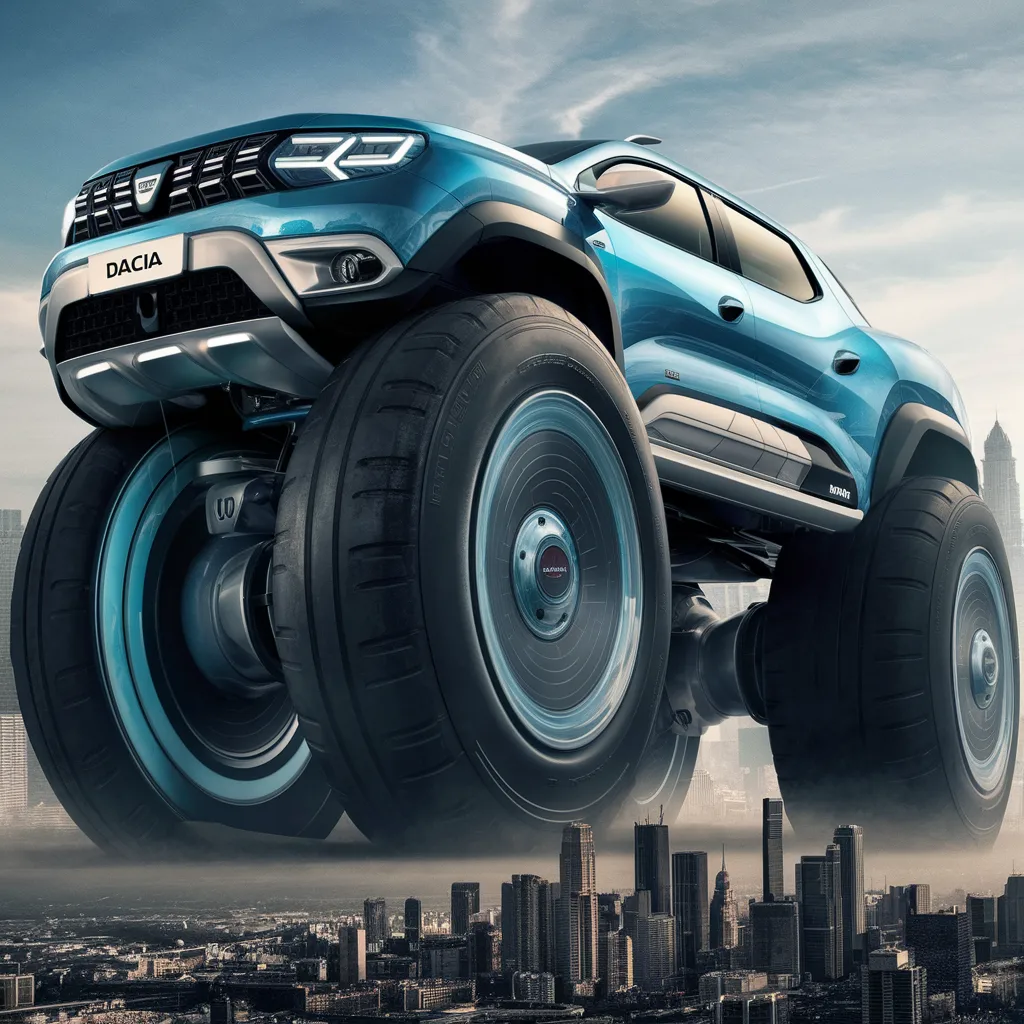
One of the most impressive aspects of the Dacia Bigster is its bold design language.
The SUV features:
- Sharp body lines
- Wide wheel arches
- High ground clearance
- Modern LED lighting
- A rugged front grille
The design feels much more premium than older Dacia models while still retaining a practical and adventurous identity.
The Bigster’s styling reflects current SUV trends:
- Muscular proportions
- Minimalist surfaces
- Outdoor-inspired aesthetics
- Strong visual presence
Compared to smaller SUVs, the Bigster appears more mature and commanding on the road.
📏 Size and Practicality
As the name suggests, the Bigster is designed to be larger than the Duster.
Expected advantages include:
- Increased cabin space
- Larger luggage capacity
- Improved rear passenger comfort
- Better family practicality
Modern families increasingly prefer SUVs because they provide:
- Higher seating positions
- Flexible interiors
- Better visibility
- More storage space
The Bigster is expected to appeal strongly to:
- Families
- Adventure travelers
- Outdoor enthusiasts
- Drivers needing extra cargo room
Its larger dimensions should make it one of the most practical vehicles in Dacia’s lineup.
⚙️ Platform and Engineering
The Bigster is expected to use the modern CMF-B platform developed by the Renault Group alliance.
This platform supports:
- Improved safety systems
- Better ride comfort
- More efficient engines
- Electrified powertrains
The use of modern engineering allows Dacia to improve quality and technology while keeping costs competitive.
This platform is already used successfully in several Renault and Dacia vehicles, helping ensure reliability and production efficiency.
🔋 Hybrid and Efficient Powertrains
Environmental regulations are pushing automakers toward more efficient vehicles, and the Bigster is expected to embrace this trend.
Potential engine options may include:
- Mild hybrid systems
- Full hybrid powertrains
- Efficient petrol engines
- Eco-focused drivetrains
Hybrid technology offers several advantages:
- Lower fuel consumption
- Reduced emissions
- Smoother urban driving
- Improved efficiency in traffic
For many buyers, fuel economy remains one of the most important purchasing factors, especially as fuel prices fluctuate globally.
Dacia’s challenge will be balancing affordability with modern efficiency technologies.
🧠 Interior Technology and Comfort
Previous Dacia models focused heavily on simplicity, but the Bigster is expected to introduce more advanced features.
Possible interior upgrades include:
- Larger infotainment screens
- Smartphone integration
- Digital driver displays
- Advanced safety assistance systems
- Improved materials and comfort
Despite these upgrades, Dacia is likely to maintain its practical philosophy by avoiding unnecessary luxury features that increase costs.
This balanced approach appeals to buyers who want modern technology without paying premium-brand prices.
🛡️ Safety and Driver Assistance
Safety expectations have risen significantly in recent years.
The Bigster is expected to include:
- Lane assistance systems
- Emergency braking technology
- Parking assistance
- Adaptive cruise control
- Multiple airbags and stability systems
These features are becoming increasingly important for:
- Family buyers
- Long-distance drivers
- Urban commuters
Modern SUVs must now combine practicality with advanced safety performance to remain competitive.
🌄 Adventure and Lifestyle Appeal
SUV buyers increasingly want vehicles that support active lifestyles.
The Bigster’s rugged styling suggests it is designed for:
- Road trips
- Camping adventures
- Outdoor activities
- Light off-road driving
Features such as:
- Roof rails
- High ground clearance
- Durable body cladding
enhance its adventurous image.
While it may not be a hardcore off-road vehicle, the Bigster is expected to handle rough roads and countryside driving comfortably.
💰 Affordability and Value
One of the biggest reasons for Dacia’s success is value for money.
The Bigster is expected to offer:
- Competitive pricing
- Low running costs
- Practical equipment
- Efficient engines
Many modern SUVs have become increasingly expensive, leaving budget-conscious buyers searching for alternatives.
Dacia aims to fill this gap by delivering:
- Large SUV practicality
- Modern styling
- Useful technology
- Affordable ownership costs
This value-focused approach may become the Bigster’s strongest advantage.
🌍 Market Position and Competition
The Bigster enters one of the most competitive automotive segments in Europe.
Key competitors may include:
- Nissan Qashqai
- Hyundai Tucson
- Kia Sportage
- Skoda Kodiaq
- Peugeot 3008
However, Dacia’s lower pricing strategy could attract buyers who prioritize practicality over luxury branding.
🔮 The Future of Dacia
The Bigster represents more than just another SUV—it symbolizes Dacia’s evolution into a more mature and ambitious automotive brand.
It shows that affordable vehicles can still offer:
- Attractive design
- Modern technology
- Family practicality
- Environmental efficiency
As the automotive market shifts toward electrification and digital connectivity, Dacia is adapting while staying true to its core philosophy of simplicity and value.
🧾 Conclusion
The Dacia Bigster has the potential to become one of the most important affordable SUVs in the European market. Combining rugged styling, family practicality, efficient technology, and strong value for money, the Bigster reflects the changing priorities of modern drivers.