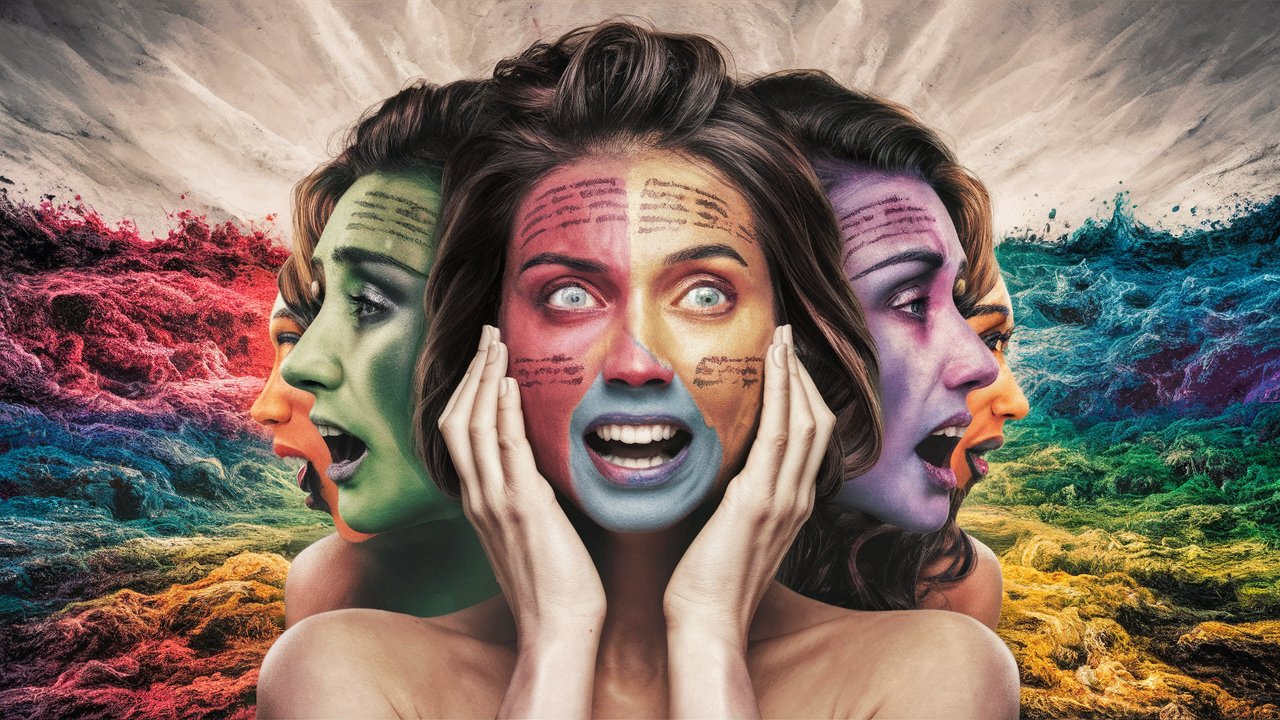
Mixed Emotion: Understanding Complex Feelings and Why They Are a Natural Part of Life
Human emotions are among the most fascinating aspects of our existence. They influence how we think, how we behave, how we form relationships, and how we understand the world around us. While many people assume emotions occur one at a time, real-life experiences often prove otherwise. It is entirely possible to feel happiness and sadness simultaneously, excitement mixed with fear, or pride accompanied by uncertainty. These experiences are commonly described as mixed emotions.
Mixed emotions are a natural part of the human experience. They occur when a person feels two or more emotions at the same time, often in response to significant life events, personal decisions, relationships, or moments of change. Rather than being a sign of confusion or weakness, mixed emotions demonstrate the complexity and depth of human psychology.
Many of life’s most important moments involve emotional contradictions. Graduating from school can bring excitement about the future while also creating sadness about leaving friends behind. Starting a new job may feel rewarding yet intimidating. Moving to a different city can generate enthusiasm for new opportunities while simultaneously causing feelings of loss and nostalgia. These emotional combinations illustrate how people process experiences from multiple perspectives at once.
Understanding mixed emotions can help individuals develop greater emotional awareness, improve decision-making, and strengthen relationships. By recognizing that emotional complexity is normal, people can learn to navigate life’s challenges with greater confidence and self-understanding.
What Are Mixed Emotions?
Mixed emotions occur when a person experiences multiple feelings simultaneously, especially when those emotions seem contradictory. Unlike simple emotional responses that involve a single dominant feeling, mixed emotions reflect the ability of the human mind to process complex situations from different angles.
Psychologists have long studied emotional experiences and discovered that human feelings rarely exist in isolation. Most experiences contain both positive and negative elements, making it natural for people to react with multiple emotions at once.
For example, a parent watching their child leave for college may feel pride, excitement, sadness, and anxiety all at the same time. Each emotion reflects a different aspect of the situation. Pride comes from witnessing achievement, excitement relates to future opportunities, sadness stems from separation, and anxiety reflects concern for the future.
These emotional combinations reveal the richness of human experience and demonstrate that emotions are often interconnected rather than separate.
Why Do People Experience Mixed Emotions?
Mixed emotions arise because life itself is complex. Most situations contain multiple meanings and consequences. The human brain evaluates experiences from various perspectives, leading to emotional responses that may overlap or even conflict.
One reason people experience mixed emotions is that important life events often involve both gains and losses. Getting married can bring joy and commitment while also creating anxiety about new responsibilities. Receiving a promotion may increase confidence while introducing stress related to additional expectations.
Another factor is personal values. People often hold multiple priorities that compete with one another. A person may feel excited about pursuing a dream career while feeling guilty about spending less time with family. The resulting emotional mixture reflects the importance of both goals.
Mixed emotions can also emerge when individuals face uncertainty. Situations with unpredictable outcomes often generate combinations of hope, fear, anticipation, and concern.
The Psychology Behind Emotional Complexity
Modern psychology recognizes that emotional complexity is a sign of emotional maturity rather than emotional instability. The ability to recognize and process multiple emotions demonstrates self-awareness and cognitive flexibility.
Research suggests that emotionally intelligent individuals are often better equipped to identify mixed emotions. Instead of forcing experiences into simple categories of good or bad, they acknowledge the full range of feelings present in a situation.
Emotional complexity allows people to understand experiences more accurately. Rather than ignoring difficult emotions, individuals can recognize both positive and negative aspects simultaneously. This balanced perspective often leads to healthier decision-making and improved emotional regulation.
The psychology of mixed emotions also highlights the importance of acceptance. Attempting to eliminate uncomfortable emotions may create additional stress, whereas acknowledging emotional complexity often promotes resilience and personal growth.
Common Situations That Create Mixed Emotions
Many everyday experiences can generate mixed emotions. Major life transitions are particularly likely to produce emotional complexity.
Graduations often create excitement about future opportunities while generating sadness about endings and change. Weddings can bring happiness and anticipation alongside nervousness and uncertainty. Retirement may offer freedom and relaxation while creating concerns about identity and purpose.
Relationships frequently involve mixed emotions as well. People may deeply love someone while feeling frustrated by certain behaviors. Friendships can provide support and companionship while occasionally causing disappointment or conflict.
Career decisions also create emotional contradictions. Starting a business may inspire confidence and motivation while triggering fear of failure. Accepting a new position can generate pride and excitement while increasing pressure and responsibility.
These examples demonstrate that mixed emotions are not unusual exceptions but common aspects of everyday life.
How Mixed Emotions Affect Mental Health
Mixed emotions are generally considered a normal and healthy part of emotional functioning. In many cases, acknowledging emotional complexity can improve mental well-being by encouraging honesty and self-awareness.
Suppressing emotions, on the other hand, may create additional psychological stress. When individuals attempt to ignore sadness, fear, or uncertainty, those feelings often persist beneath the surface. Recognizing mixed emotions allows people to process experiences more effectively.
Research has also suggested that accepting emotional complexity may enhance resilience. People who acknowledge both positive and negative feelings often adapt more successfully to challenging circumstances because they maintain realistic expectations.
However, persistent emotional conflict that causes significant distress may benefit from professional support. Mental health professionals can help individuals explore emotional experiences and develop effective coping strategies.
Strategies for Managing Mixed Emotions
Managing mixed emotions begins with self-awareness. Identifying and naming emotions can reduce confusion and create greater clarity. Journaling, reflection, and mindfulness practices are often useful tools for understanding emotional experiences.
Another effective strategy is emotional acceptance. Rather than judging emotions as right or wrong, individuals can acknowledge them as natural responses to complex situations. This approach reduces internal conflict and promotes emotional balance.
Talking with trusted friends, family members, or counselors can also provide valuable perspective. Sharing emotions often helps people understand their experiences more clearly and feel less isolated.
Maintaining healthy habits such as regular exercise, adequate sleep, and stress management techniques can further support emotional well-being.
The Importance of Emotional Intelligence
Emotional intelligence plays a significant role in understanding mixed emotions. Individuals with strong emotional intelligence are better able to recognize, interpret, and manage their feelings.
This skill enhances communication, strengthens relationships, and improves decision-making. When people understand their emotional responses, they can respond more thoughtfully rather than reacting impulsively.
Developing emotional intelligence requires practice, reflection, and willingness to explore complex feelings. Over time, this process contributes to greater personal growth and psychological resilience.
Conclusion
Mixed emotions are a natural and meaningful part of human life. They reflect the complexity of our experiences, relationships, and personal values. Rather than indicating confusion or weakness, mixed emotions demonstrate the mind’s ability to process multiple perspectives simultaneously.
Understanding mixed emotions can improve emotional intelligence, strengthen mental well-being, and enhance self-awareness. By accepting emotional complexity and recognizing that contradictory feelings often coexist, individuals can navigate life’s challenges with greater confidence and resilience.
The next time you experience happiness mixed with sadness, excitement accompanied by fear, or pride combined with uncertainty, remember that these feelings are part of what makes us human. Mixed emotions reveal the depth of our experiences and the richness of our emotional lives.
Frequently Asked Questions (FAQ)
What is a mixed emotion?
A mixed emotion occurs when a person experiences two or more emotions at the same time.
Are mixed emotions normal?
Yes. Mixed emotions are a common and healthy part of human psychology.
Why do people experience mixed emotions?
People experience mixed emotions because many life situations involve multiple meanings, outcomes, and personal values.
Can mixed emotions affect mental health?
Mixed emotions are generally normal, but understanding and processing them effectively can support emotional well-being.
How can I manage mixed emotions?
Self-awareness, emotional acceptance, journaling, mindfulness, and supportive conversations can help manage mixed emotions.
Is emotional complexity a sign of emotional intelligence?
In many cases, yes. Recognizing and understanding multiple emotions often reflects greater emotional awareness and maturity.