Story Swing: A Complete Guide to Creative Storytelling and Fun Learning
Story Swing: How Creative Storytelling Inspires Imagination and Learning
Stories have always been a powerful way for people to share ideas, emotions, experiences, and lessons. From bedtime tales to educational activities, storytelling helps people connect with the world around them. Story Swing represents the exciting combination of imagination, creativity, and storytelling that encourages people to explore ideas in a more engaging way.
In a time when digital content often moves quickly, creative storytelling provides a refreshing experience. It allows children, students, families, and creative minds to slow down, imagine new possibilities, and enjoy meaningful narratives. Story Swing focuses on making stories more interactive, memorable, and enjoyable for different audiences.
This complete guide explains what Story Swing means, how it supports creativity, why storytelling remains important, and how people can use storytelling experiences to improve learning, communication, and imagination.
What Is Story Swing and Why Is It Important?
Story Swing is a concept connected with creative storytelling, imagination, and interactive experiences. The idea combines the joy of movement with the power of stories, creating a unique way to explore ideas and emotions.
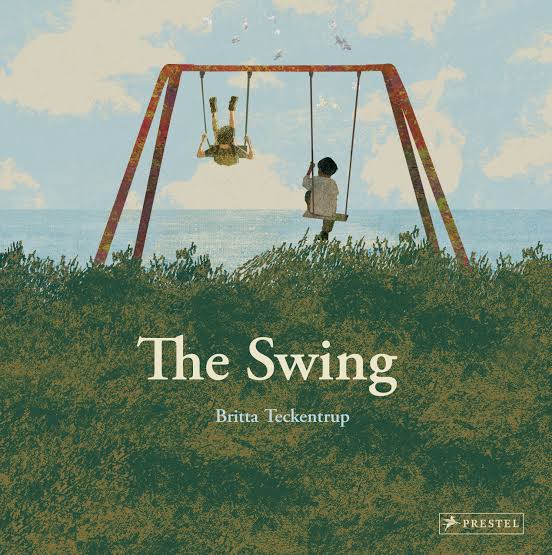
The name itself creates a picture of storytelling that feels active and dynamic. Just like a swing moves back and forth, stories can take people through different emotions, characters, adventures, and ideas.
Storytelling has played an important role throughout human history. Before books and digital platforms existed, people shared knowledge through spoken stories. These stories helped communities preserve traditions, teach important lessons, and entertain listeners.
Today, storytelling continues to be valuable because it helps people:
- Develop creativity
- Improve communication skills
- Understand different perspectives
- Build emotional connections
- Learn complex ideas more easily
Story Swing reflects the idea that stories should not only be read or heard but also experienced.
How Story Swing Encourages Creativity and Imagination
Creativity grows when people have opportunities to explore new ideas without strict limitations. Story Swing encourages imaginative thinking by allowing individuals to create characters, worlds, and situations that go beyond everyday experiences.
When someone engages with storytelling, the brain begins creating images, emotions, and connections. This mental process strengthens imagination and helps people think in more flexible ways.
Creative storytelling activities can include:
- Writing original stories
- Creating fictional characters
- Acting out scenes
- Sharing personal experiences
- Building imaginary worlds
For children, storytelling is especially valuable because it supports early development. Young learners often understand ideas better when information is presented through stories rather than simple explanations.
A story can transform a difficult concept into something memorable. Instead of only memorizing facts, learners connect information with emotions and experiences.
Story Swing encourages people to become creators instead of only consumers of content.
The Role of Story Swing in Education and Learning
Education becomes more effective when students feel interested and involved. Storytelling creates an environment where learning feels natural and enjoyable.
Teachers and educators often use stories because they help students understand topics through examples and characters.
Story-based learning can support:
- Language development
- Critical thinking
- Problem-solving skills
- Emotional intelligence
- Communication abilities
A well-created story can explain ideas that might otherwise feel complicated. For example, a science lesson can become more engaging when students follow the journey of a character exploring nature.
Story Swing reflects a modern approach to learning where creativity and education work together.
Students who participate in storytelling activities often become more confident because they practice expressing ideas and sharing opinions.
Benefits of Story Swing for Children and Families
Storytelling is not only an educational tool. It is also a way for families to create stronger connections.
Shared storytelling moments allow parents, children, and family members to spend meaningful time together.
Some benefits include:
Stronger Communication
Stories encourage conversations. Children can discuss characters, events, and emotions, helping them develop better communication skills.
Emotional Development
Stories often explore feelings such as happiness, fear, friendship, and courage. These experiences help children understand emotions.
Improved Listening Skills
Listening to stories teaches patience and attention. Children learn to follow ideas and remember important details.
Stronger Relationships
Family storytelling creates memories. Whether through bedtime stories or creative activities, these moments can become meaningful traditions.
Story Swing represents the simple idea that storytelling can bring people closer while supporting personal growth.
How Story Swing Creates an Interactive Story Experience
Traditional storytelling often involves one person sharing a story while others listen. Modern storytelling adds more interaction, allowing audiences to become part of the experience.
Interactive storytelling can include:
- Choosing different story paths
- Creating characters
- Adding personal ideas
- Performing scenes
- Using visuals and sounds
This approach makes stories feel more personal because participants influence the direction of the experience.
Interactive storytelling is becoming increasingly popular because people enjoy being involved. Instead of simply watching or reading, they become active participants.
Story Swing highlights how storytelling can continue evolving while maintaining its original purpose: connecting people through meaningful narratives.
Story Swing and the Power of Personal Stories
Every person has a story to tell. Personal experiences can inspire others, teach lessons, and create emotional connections.
Personal storytelling allows people to share:
- Life experiences
- Challenges
- Achievements
- Memories
- Lessons learned
These stories help people understand each other better. A personal story can create empathy because it shows different perspectives and experiences.
Many successful speakers, writers, and creators use storytelling because audiences remember stories more easily than simple information.
Story Swing represents the value of sharing stories that reflect real emotions and human experiences.
Whether a story is fictional or based on real events, the most powerful stories often contain honesty and meaningful messages.
How to Create Your Own Story Swing Experience
Anyone can create a storytelling experience by following a few simple steps.
Choose a Topic
Start with an idea that interests you. This could be an adventure, personal memory, fantasy world, or educational topic.
Develop Characters
Characters make stories more engaging. Think about:
- Their personality
- Their goals
- Their challenges
- Their emotions
Build a Story Structure
A simple structure includes:
- Beginning: Introduce the characters and setting.
- Middle: Present challenges or exciting events.
- Ending: Provide a conclusion or lesson.
Add Creativity
Use imagination to make the story unique.
You can include:
- Drawings
- Music
- Acting
- Different voices
- Interactive questions
Story Swing encourages everyone to explore their creative potential.
The Future of Storytelling and Creative Experiences
Technology continues to change how people create and experience stories. Digital platforms, interactive media, and creative tools provide new opportunities for storytelling.
Future storytelling experiences may include:
- Virtual environments
- Interactive characters
- Digital storytelling platforms
- Personalized experiences
However, the foundation of storytelling will always remain the same. People connect with stories because they create emotions, share ideas, and help us understand the world.
Story Swing represents the continued evolution of storytelling. It combines creativity, participation, and imagination in a way that keeps stories meaningful for future generations.
Frequently Asked Questions About Story Swing
What is Story Swing?
Story Swing is a creative storytelling concept focused on imagination, interaction, and meaningful storytelling experiences.
Why is storytelling important?
Storytelling helps people communicate ideas, develop creativity, improve learning, and create emotional connections.
How does Story Swing help children?
Story Swing encourages imagination, communication skills, emotional development, and creative thinking in children.
Can adults benefit from storytelling activities?
Yes. Adults can use storytelling for creativity, communication, personal expression, and building connections with others.
How can I create my own Story Swing activity?
You can create one by choosing a topic, developing characters, building a simple story structure, and adding creative elements.
Is storytelling useful for education?
Yes. Storytelling helps students understand ideas more easily and makes learning more engaging.
Final Thoughts on Story Swing
Story Swing represents the timeless power of storytelling combined with creativity and interaction. Stories are more than words on a page. They are experiences that help people imagine, learn, communicate, and connect.
Whether used for education, family activities, personal expression, or creative exploration, storytelling continues to play an important role in human connection. Story Swing reminds us that imagination has no limits and that every person has the ability to create meaningful stories.
In a world filled with fast digital content, taking time to create and share stories provides a valuable opportunity to inspire curiosity and build stronger relationships. The simple act of telling a story can open new possibilities, encourage learning, and create memories that last.