Fur Hen: Understanding the Unique Appearance, Biology, and Fascinating Characteristics of Hens
The world of poultry is filled with fascinating breeds, unique appearances, and surprising biological traits. Among the many unusual terms that people search online, “fur hen” stands out as an intriguing phrase that immediately sparks curiosity. At first glance, the term may seem unusual because hens, like all birds, have feathers rather than fur. However, some chicken breeds possess feather structures that closely resemble fur, creating a soft, fluffy appearance that differs significantly from the typical look of poultry.
The concept of a fur hen is often associated with chickens that have exceptionally soft plumage. These birds appear almost mammal-like due to the texture and arrangement of their feathers. Their unique appearance has made them popular among poultry enthusiasts, backyard farmers, and animal lovers worldwide. In particular, breeds such as the Silkie have gained attention because their feathers lack the rigid structure found in most birds, giving them a distinctly furry look.
Understanding why some hens appear furry requires exploring poultry genetics, feather development, breed characteristics, and the history of domesticated chickens. This guide provides a detailed look at fur-like hens, the science behind their appearance, and why they continue to fascinate people across the globe.
What Is a Fur Hen?
The term “fur hen” is not an official scientific classification but rather a descriptive phrase used to refer to chickens whose feathers resemble fur. Since birds do not naturally grow fur, the appearance comes from specialized feather structures that create a soft and fluffy texture.
Most birds have feathers with interlocking barbs that form a smooth and streamlined surface. In certain chicken breeds, however, these structures are absent or reduced. As a result, the feathers remain loose and fluffy, producing an appearance that resembles fur more than traditional plumage.
This distinctive characteristic makes such hens visually unique and easily recognizable. Many people who encounter these birds for the first time are surprised to learn that their fur-like appearance is actually created by feathers.
The Science Behind Fur-Like Feathers
To understand why some hens appear furry, it is helpful to examine how feathers develop. Feathers are composed primarily of keratin, the same protein found in human hair and nails. However, feather structures differ significantly from mammalian fur.
Standard chicken feathers contain tiny hooks known as barbules that connect neighboring feather strands. These hooks help create the smooth and organized appearance typically associated with birds.
In certain breeds, genetic variations affect the formation of these barbules. Without strong interlocking structures, the feathers remain loose and soft. This creates the fluffy appearance often described as fur-like.
Although the feathers may resemble fur visually, they still perform many of the same biological functions as traditional feathers, including insulation and protection.
The Famous Silkie Chicken
One of the best-known examples of a fur-like hen is the Silkie chicken. The Silkie is famous worldwide for its distinctive appearance and exceptionally soft feathers.
The breed has been admired for centuries and is believed to have originated in Asia. Silkies are easily recognized by their fluffy plumage, dark skin, feathered feet, and gentle temperament. Their feathers lack the normal feather structure found in most chickens, which creates the characteristic fur-like appearance.
Because of their unique look and friendly nature, Silkies are often kept as pets rather than solely for egg production. They are particularly popular among families and hobby poultry keepers.
The Silkie demonstrates how genetic variation can dramatically alter a bird’s appearance while maintaining its identity as a chicken.
Other Fluffy and Fur-Like Chicken Breeds
Although Silkies are the most famous example, they are not the only chickens with unusual plumage. Several other breeds display exceptionally fluffy feathers.
Polish chickens are known for their dramatic feather crests that cover much of their heads. Cochins possess abundant feathers that create a rounded and fluffy appearance. Frizzle chickens feature curled feathers that produce a distinctive texture and visual effect.
Each of these breeds demonstrates different ways in which feather structure can influence appearance. While not all resemble fur as closely as Silkies, they contribute to the diversity of poultry aesthetics.
The popularity of these breeds highlights the widespread fascination with unusual and decorative chickens.
Why People Love Fur-Like Hens
The appeal of fur-like hens extends beyond their appearance. Many poultry enthusiasts appreciate these birds for their personality, uniqueness, and suitability as companion animals.
Soft-feathered breeds often have calm temperaments and are easy to handle. Their distinctive look makes them popular attractions at farms, agricultural exhibitions, and educational events.
Children are particularly fascinated by fluffy hens because they resemble storybook animals. Their unusual appearance often sparks interest in biology, animal care, and farming.
Additionally, these birds have become popular subjects for photography and social media content, helping them gain visibility among wider audiences.
Caring for Fur-Like Hens
Hens with fluffy plumage may require special care compared to standard chickens. Their feathers can become dirty more easily because they lack the streamlined structure that helps shed moisture and debris.
Owners often provide clean living environments and dry shelter to maintain feather condition. Regular health checks are important because excessive feather growth can sometimes affect visibility or mobility.
Proper nutrition remains essential for maintaining healthy plumage. Since feathers are largely composed of protein, a balanced diet supports growth and feather quality.
With appropriate care, fur-like hens can thrive in backyard flocks and hobby farms.
The Role of Genetics in Chicken Appearance
The remarkable diversity among chicken breeds is largely the result of genetics. Selective breeding over many generations has produced chickens with a wide range of feather types, colors, sizes, and behaviors.
Genes influence nearly every aspect of a chicken’s appearance, including feather texture. The fur-like feathers seen in certain breeds are examples of how specific genetic traits can create dramatic visual differences.
Understanding these genetic influences provides valuable insight into animal breeding and domestication. It also helps explain why some chickens appear radically different from others despite belonging to the same species.
Fur Hens in Popular Culture
Unique chickens have become increasingly visible in modern media. Social media platforms frequently feature fluffy hens in videos and photographs, attracting millions of views.
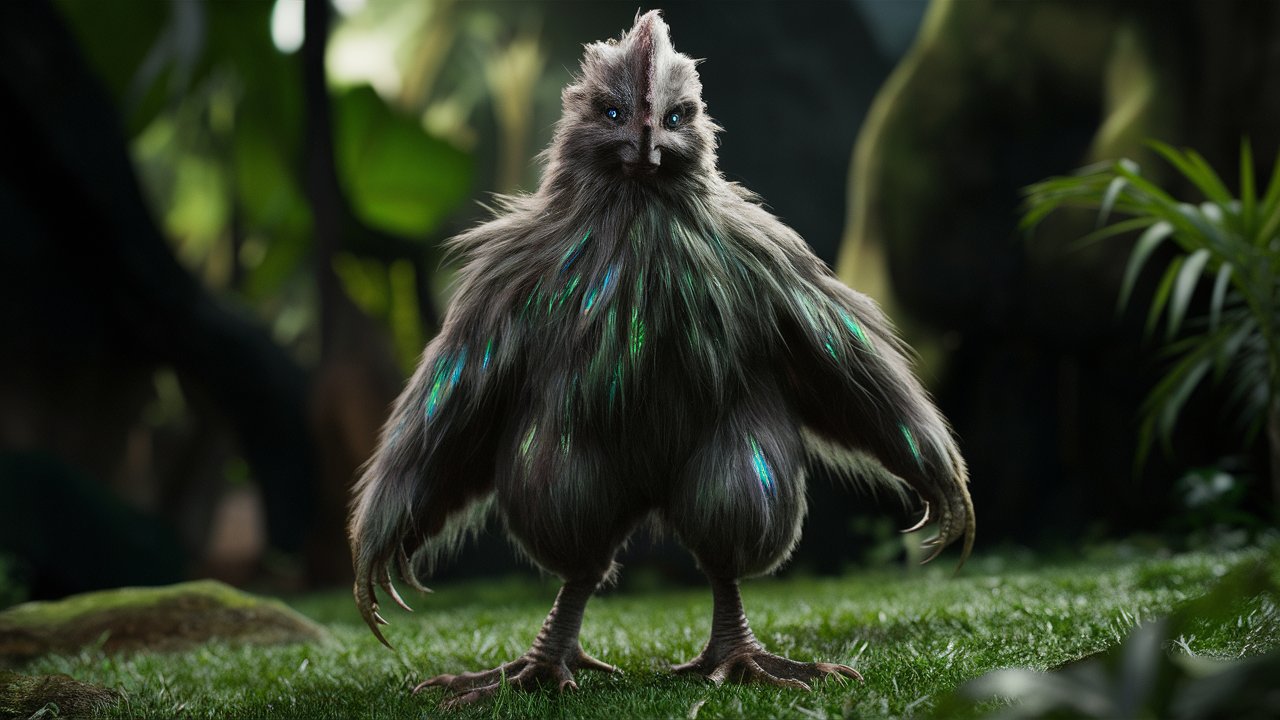
Their unusual appearance often leads viewers to question whether they are real animals or digitally altered images. This curiosity contributes to ongoing public interest and online searches related to fur hens.
Educational programs and agricultural exhibitions also showcase these breeds to demonstrate the diversity of domesticated animals.
As awareness grows, more people are discovering the fascinating world of specialty poultry breeds.
Conclusion
The concept of a fur hen reflects the remarkable diversity found within the poultry world. Although chickens do not grow actual fur, certain breeds possess feather structures that create a soft, fluffy appearance remarkably similar to mammalian fur. These unique birds have captured the imagination of poultry enthusiasts, pet owners, and animal lovers around the world.
From the famous Silkie chicken to other decorative breeds, fur-like hens demonstrate how genetics can influence appearance in extraordinary ways. Their distinctive plumage, gentle personalities, and visual appeal continue to make them some of the most admired chickens in the world.
Whether viewed as pets, exhibition birds, or fascinating examples of biological diversity, fur hens remain a captivating subject that highlights the beauty and complexity of domesticated animals.
Frequently Asked Questions (FAQ)
What is a fur hen?
A fur hen is a descriptive term for a chicken whose feathers appear soft and fluffy like fur.
Do hens actually have fur?
No. Hens are birds and have feathers, not fur.
Which chicken breed looks most like it has fur?
The Silkie chicken is the most famous breed known for its fur-like feathers.
Why do some chickens have fluffy feathers?
Genetic traits affect feather structure, creating a softer and fluffier appearance.
Are fur-like hens good pets?
Many fluffy chicken breeds are known for their friendly temperament and make excellent pets.
Do fluffy chickens require special care?
Yes. Their feathers may require additional maintenance and protection from wet or muddy conditions.