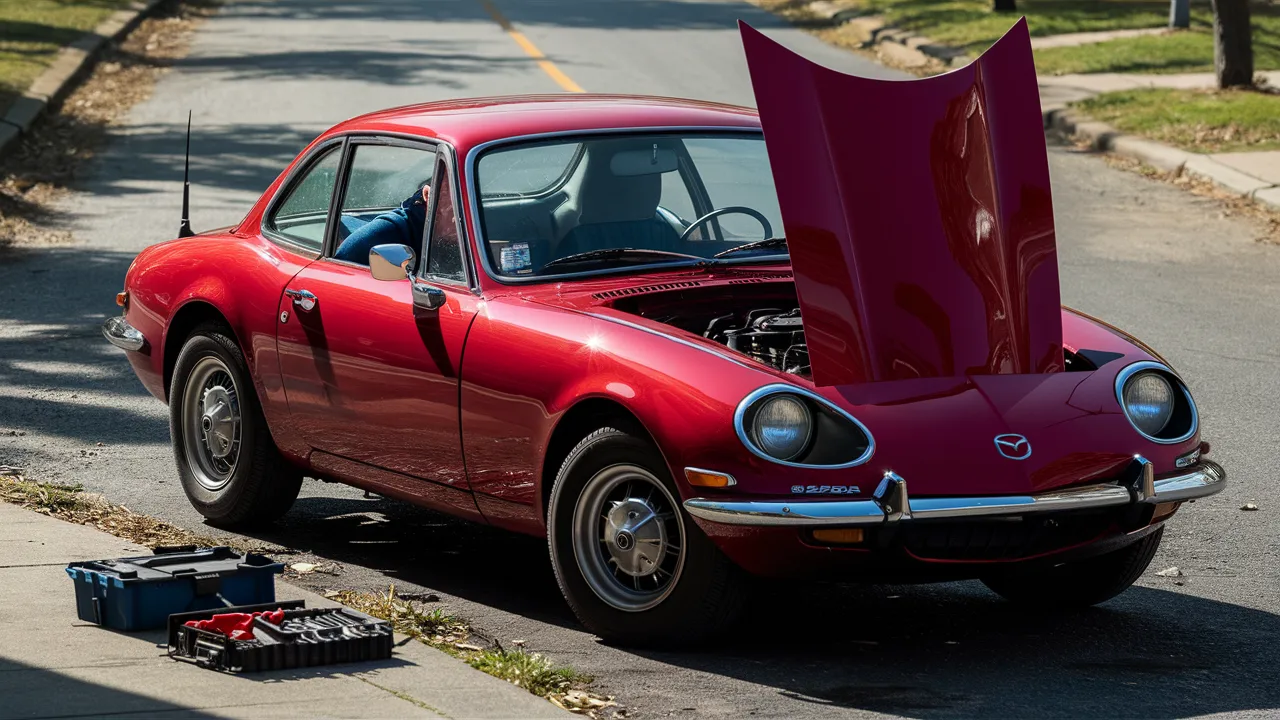
Mazda 323 – The Reliable Compact Car That Built Mazda’s Reputation
The Mazda 323 is one of the most important vehicles ever produced by Mazda. Known for its reliability, practicality, fuel efficiency, and sporty character, the Mazda 323 became a popular compact car in markets around the world for several decades.
Produced across multiple generations from the 1960s until the early 2000s, the Mazda 323 evolved from a simple economy car into a stylish and capable compact vehicle that appealed to a wide variety of drivers. It played a major role in establishing Mazda as a respected global automotive brand.
Today, the Mazda 323 remains remembered for its durability, affordability, and surprisingly enjoyable driving experience.
🚗 Origins of the Mazda 323
The Mazda 323 was first introduced in the 1970s as part of Mazda’s expanding compact car lineup. It was designed to compete in the growing market for affordable and fuel-efficient family cars.
At the time, Japanese manufacturers were becoming increasingly successful worldwide because they offered:
- Better fuel economy
- Affordable pricing
- Reliable engineering
- Low maintenance costs
The Mazda 323 quickly became one of the company’s most successful models.
In some markets, the vehicle was also sold under different names depending on local branding strategies.
🌍 Global Popularity and Market Success
The Mazda 323 gained strong popularity in:
- Europe
- Asia
- Australia
- Africa
- North America
Its worldwide success came from its balance of:
- Simplicity
- Reliability
- Comfort
- Driving enjoyment
Unlike some economy cars that felt dull to drive, the 323 often offered a sportier personality than many competitors.
This helped Mazda develop a reputation for making practical cars that were still enjoyable behind the wheel.
🎨 Exterior Design Evolution
Over its long production history, the Mazda 323 went through many design changes.
Early generations featured:
- Boxy compact styling
- Simple body lines
- Functional design approach
Later generations became:
- More aerodynamic
- Sportier in appearance
- More modern and refined
By the 1990s, the Mazda 323 had evolved into a sleek compact hatchback and sedan with styling that reflected changing automotive trends.
Common body styles included:
- Hatchback
- Sedan
- Wagon/estate
- Coupe in some markets
This variety helped broaden the car’s appeal.
⚙️ Engine Options and Performance
The Mazda 323 was available with many engine configurations over the years.
Typical engine choices included:
- Small petrol engines
- Fuel-efficient diesel engines
- Sport-oriented turbocharged versions
The car was designed primarily for economy and practicality, but some variants delivered surprisingly strong performance.
Performance characteristics:
- Good fuel efficiency
- Lightweight handling
- Reliable engine operation
- Smooth manual transmissions
Mazda became known for engineering vehicles that felt more engaging than typical compact economy cars.
🏁 Mazda 323 GTX and GT-R – Rally-Inspired Legends
One of the most famous performance versions of the 323 was the turbocharged all-wheel-drive models.
High-performance variants included:
- Mazda 323 GTX
- Mazda 323 GT-R
These versions were developed partly for rally competition and featured:
- Turbocharged engines
- All-wheel-drive systems
- Aggressive body styling
- Sport-tuned suspension
The GT-R version became especially respected among enthusiasts because of its impressive performance capabilities.
These models demonstrated Mazda’s motorsport ambitions and engineering creativity.
🚙 Driving Experience – Lightweight and Engaging
One of the defining characteristics of the Mazda 323 was its enjoyable handling.
Driving strengths included:
- Responsive steering
- Lightweight chassis feel
- Comfortable suspension balance
- Easy maneuverability
Even standard models often felt more lively and connected than competitors from the same era.
This focus on driver enjoyment eventually became one of Mazda’s core brand philosophies.
🛋️ Interior and Comfort
The Mazda 323 prioritized practicality and functionality inside the cabin.
Interior features typically included:
- Simple dashboard layouts
- Comfortable cloth seating
- Clear instrument clusters
- Functional storage spaces
Later generations added:
- Improved sound systems
- Better materials
- Air conditioning
- Power accessories
While not luxurious, the cabin was generally well-built and durable.
Practical advantages:
- Compact exterior dimensions
- Reasonable passenger space
- Good cargo capacity in hatchback versions
This made the 323 suitable for families, commuters, and first-time car buyers.
⛽ Fuel Efficiency and Reliability
Fuel economy was one of the Mazda 323’s biggest strengths.
Benefits included:
- Low fuel consumption
- Affordable maintenance
- Reliable mechanical components
- Long-lasting engines
Many owners praised the 323 for running dependably even after high mileage.
This reliability contributed significantly to Mazda’s global reputation during the 1980s and 1990s.
⚖️ Competitors in the Compact Car Segment
The Mazda 323 competed against many famous compact cars.
Main rivals included:
- Toyota Corolla
- Honda Civic
- Ford Escort
- Volkswagen Golf
Compared to competitors, the Mazda 323 often stood out for:
- Sportier driving feel
- Distinct styling
- Good reliability
- Competitive pricing
It successfully balanced practicality with personality.
🔧 Maintenance and Ownership
The Mazda 323 developed a reputation for being relatively easy and affordable to maintain.
Ownership advantages:
- Widely available parts
- Simple mechanical design
- Durable engines and gearboxes
- Good long-term reliability
This made the car popular in regions where affordability and repair simplicity were important.
Many examples remained on roads for decades due to their mechanical durability.
🌍 Cultural and Enthusiast Appeal
Over time, the Mazda 323 gained a loyal enthusiast following.
Performance-oriented models became especially popular among:
- Rally fans
- JDM enthusiasts
- Tuning communities
Modified versions are still seen in:
- Car meets
- Amateur motorsport events
- Classic Japanese car communities
The lightweight nature of the car made it a strong platform for tuning and customization.
📈 Legacy and Influence on Mazda
The success of the Mazda 323 helped shape the future of Mazda’s compact vehicle lineup.
Eventually, the 323 evolved into the modern:
- Mazda3
The Mazda3 continued many of the same principles:
- Driver-focused handling
- Stylish design
- Efficiency and practicality
The 323 laid the foundation for Mazda’s modern reputation as a manufacturer of engaging compact cars.
✔️ Pros and Cons
✔️ Advantages:
- Excellent reliability
- Good fuel efficiency
- Fun driving dynamics
- Affordable ownership costs
- Wide range of body styles and engines
❌ Disadvantages:
- Older models may suffer from rust
- Basic interior quality in early generations
- Limited power in lower trims
- Less refinement compared to some modern cars
🧾 Conclusion
The Mazda 323 remains one of the most important and respected vehicles ever produced by Mazda. Combining reliability, efficiency, practicality, and enjoyable driving dynamics, the 323 successfully earned a loyal following across the world.